Crypto Breakout Entry and Exit Strategy
Crypto Breakout Entry and Exit Strategy
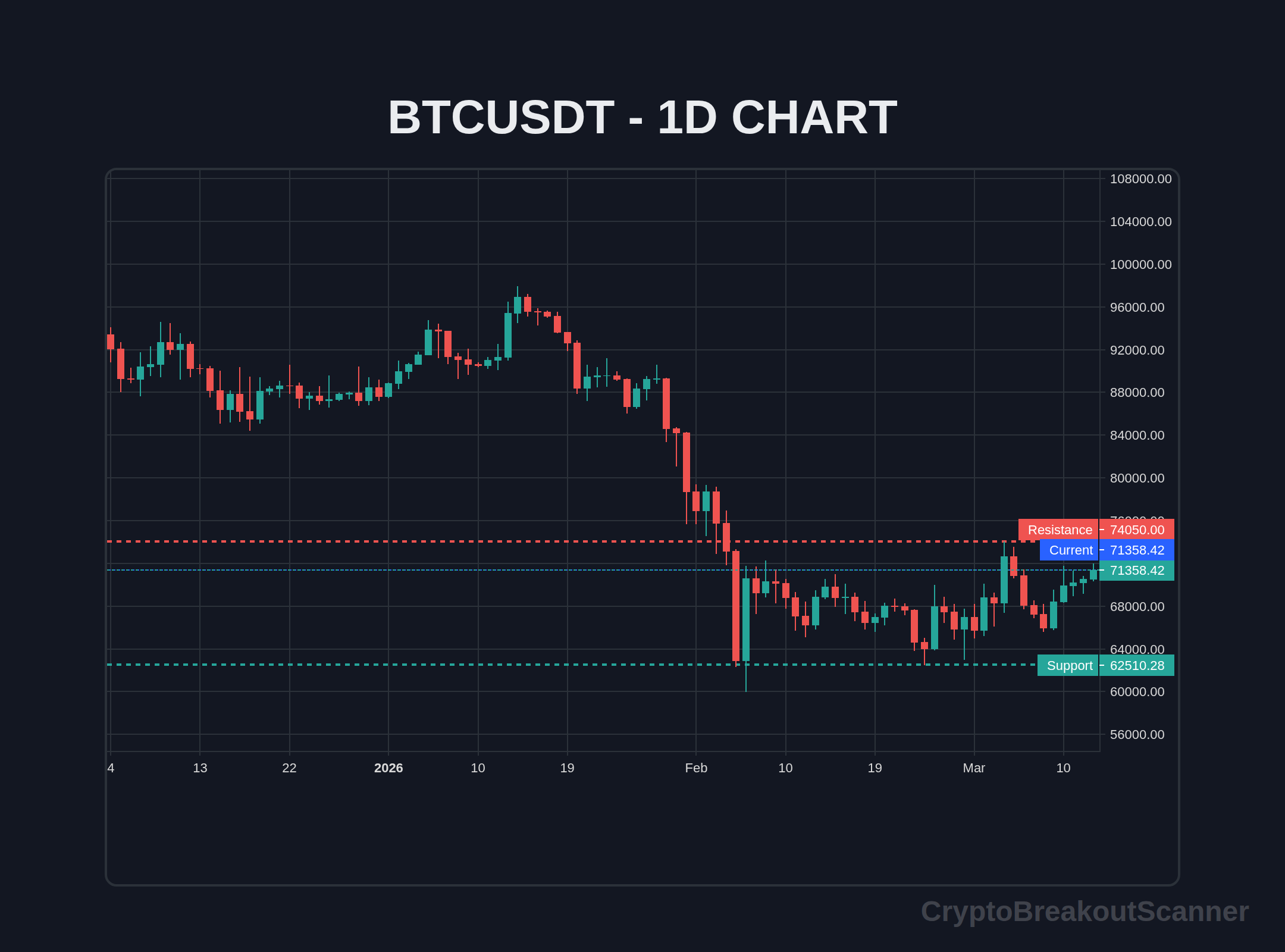
Understanding how to navigate the tumultuous waters of cryptocurrency trading can be challenging. This is especially true when focusing on breakout strategies. In this article, we'll dive deep into the crypto breakout entry and exit strategy. We'll cover everything from entry triggers to exit tactics, ensuring you have the tools to capitalize on breakout opportunities.
What is a Breakout?
A breakout occurs when the price of a cryptocurrency moves above a significant resistance level or below a key support level. This movement signifies a strong shift in market sentiment. When the price breaks out, it often indicates that the momentum could drive prices higher or lower.
In the context of breakout trading, recognizing a breakout early is crucial. It allows traders to position themselves before the price makes a significant move. To be effective, you need a solid crypto breakout scanner or a crypto breakout screener that can help identify these pivotal moments.
Real Trading Example
Let’s consider Bitcoin (BTC) as our case study. On March 1, 2026, BTC was trading around $69,000. For weeks, it had struggled against a resistance level at $70,000. The market was buzzing, and many traders anticipated a potential breakout.
On March 5, BTC climbed to $70,500, breaching the resistance level. Volume surged, indicating strong buying interest. Over the next few days, BTC rallied to $75,000, providing a clear example of how a breakout can lead to substantial profits. By using a crypto breakout alert, traders who were monitoring this resistance level could have secured a profitable entry.
Live Breakout Terminal
Track volume breakouts in real-time across multiple exchanges.
Confirmation Indicators
To confirm a breakout, it’s essential to analyze several indicators:
- Relative Strength Index (RSI): Look for an RSI above 50. This level suggests that the asset is gaining strength.
- Volume: Confirm that volume is at least 1.5 times the average. High volume indicates strong interest and commitment from buyers or sellers.
- Price Structure: Observe the price action. A clean break above resistance or below support, with minimal wicks, shows conviction.
These indicators are essential for validating that the breakout is likely to hold and not just a fleeting spike.
Fake Breakout Detection
Fakeouts, or false breakouts, are one of the most frustrating challenges traders face. Here’s how to spot them:
- Wicks: If there are long wicks on candles after a breakout, it may indicate rejection and a potential reversal.
- Volume Divergence: If the breakout occurs on decreasing volume, it’s a red flag. Strong breakouts should be accompanied by increased volume.
- Key Tests: After breaking out, monitor how the price reacts when retesting the previous resistance level. If it fails to hold, the breakout is likely false.
For more detailed strategies on identifying fakeouts, check out our fake breakout detection guide.
Risk Management Formula
Effective risk management can make or break your trading success. Here’s a simple formula:
-
Determine Your Risk: Decide the percentage of your account you’re willing to risk on a single trade (typically 1%).
-
Calculate Position Size: Use the formula:
Position Size = (Account Size × Risk Percentage) / (Entry Price - Stop Loss Price)
-
Set Stop Loss: Place your stop loss just below the breakout point for long positions or above for short positions. This placement minimizes potential losses while allowing for slight price fluctuations.
Step-by-Step Trading Approach
When you receive a breakout signal, follow these steps:
- Confirm the Breakout: Check your indicators. Is the RSI above 50? Is the volume healthy?
- Set Your Entry Point: Enter the trade once the price confirms the breakout.
- Establish a Stop Loss: Place your stop loss according to your risk management rules.
- Monitor Price Action: Keep an eye on price movements. Look for key support and resistance levels.
- Adjust Your Exit Strategy: As the price moves in your favor, consider using a trailing stop to lock in profits.
- Exit the Trade: Close your position when your target is hit or the price action suggests a reversal.
Following this structured approach can enhance your trading effectiveness and increase your chances of success in breakout trading.
FAQ
What is a breakout in trading?
A breakout occurs when the price moves beyond a defined support or resistance level, indicating a potential change in market momentum.
How can I identify a breakout?
Use tools like a crypto breakout scanner to detect significant price movements, and confirm with volume and RSI indicators.
What are the best indicators for breakouts?
Key indicators include RSI, volume, and price action patterns. These provide insights into market strength and direction.
How do I manage risk when trading breakouts?
Utilize a position sizing formula based on your account size and risk tolerance. Always set stop losses to minimize potential losses.
What is a fake breakout?
A fake breakout is when the price moves beyond a support or resistance level but quickly reverses, trapping traders who entered the market.
How can I avoid fakeouts?
Watch for long wicks, volume divergence, and price action that indicates a rejection at key levels. Confirm breakouts before entering trades.
Can I automate my breakout trading?
Yes, using a crypto breakout scanner can help automate breakout alerts, allowing you to react quickly and efficiently.
What are trailing stops?
Trailing stops are a risk management tool that adjusts your stop loss as the price moves in your favor, helping to lock in profits.
Crypto Breakout Scanner delivers real-time breakout alerts on Telegram the moment a coin breaks out — on 3m, 5m, and 15m timeframes. Join free and start catching breakouts instantly.
Keywords: Breakout Strategy, Trading Strategy, Risk Management, Technical Analysis
September 2026 Update: What's Changed
I've been watching the market closely lately. Right now, Bitcoin's sitting at $77,570, marking a slight gain of 0.40% over the last 24 hours. It hit a high of $77,667, but let’s be real — the lows at $76,389 remind us this market is anything but stable. The volatility can be wild, and breakout strategies are as crucial as ever.
Here's the thing — if you're still relying on old indicators, you need to rethink that. I've found that tools like a crypto breakout scanner and getting those breakout alerts well in advance have made a huge difference in my trades. You don’t wanna be late to the party when a breakout happens.
Truth is, it's all about timing. In this market, missing a breakout can mean losing serious profits. Just last week, there was a solid breakout chance at the $76,000 mark, and those who acted swiftly made out like bandits. Are you ready to jump in when you see those signals?
Look — the key resistance is still around $78,000. If we breach that, I expect the buying pressure to surge. Why? Because traders who missed the last run up won't want to miss another. It’s a chain reaction. But if we fail to push past that, then we might see some downward pressure again.
Honestly, I've got my eyes on altcoins too. Ethereum and some other projects are starting to heat up, with their own breakout potentials showing. Diversifying while keeping an eye on Bitcoin can smooth out the ride.
So remember, keep your strategies flexible. Use breakouts to your advantage, stay informed, and don’t let fear dictate your moves. The market's a wild beast, but it can be tamed with a sharp strategy and a good dose of discipline.
Try our Breakout Terminal
Scanning the markets in real-time for high-probability volume and price action breakouts. Access the scanner for free.
Marcus Reed
Marcus Reed is a crypto analyst and trader specializing in breakout strategies and real-time market signals. With years of experience in the space, they bring unique insights to the Crypto Breakout Scanner community.