Ethereum Breakout Case Study Trading Example
Ethereum Breakout Case Study Trading Example
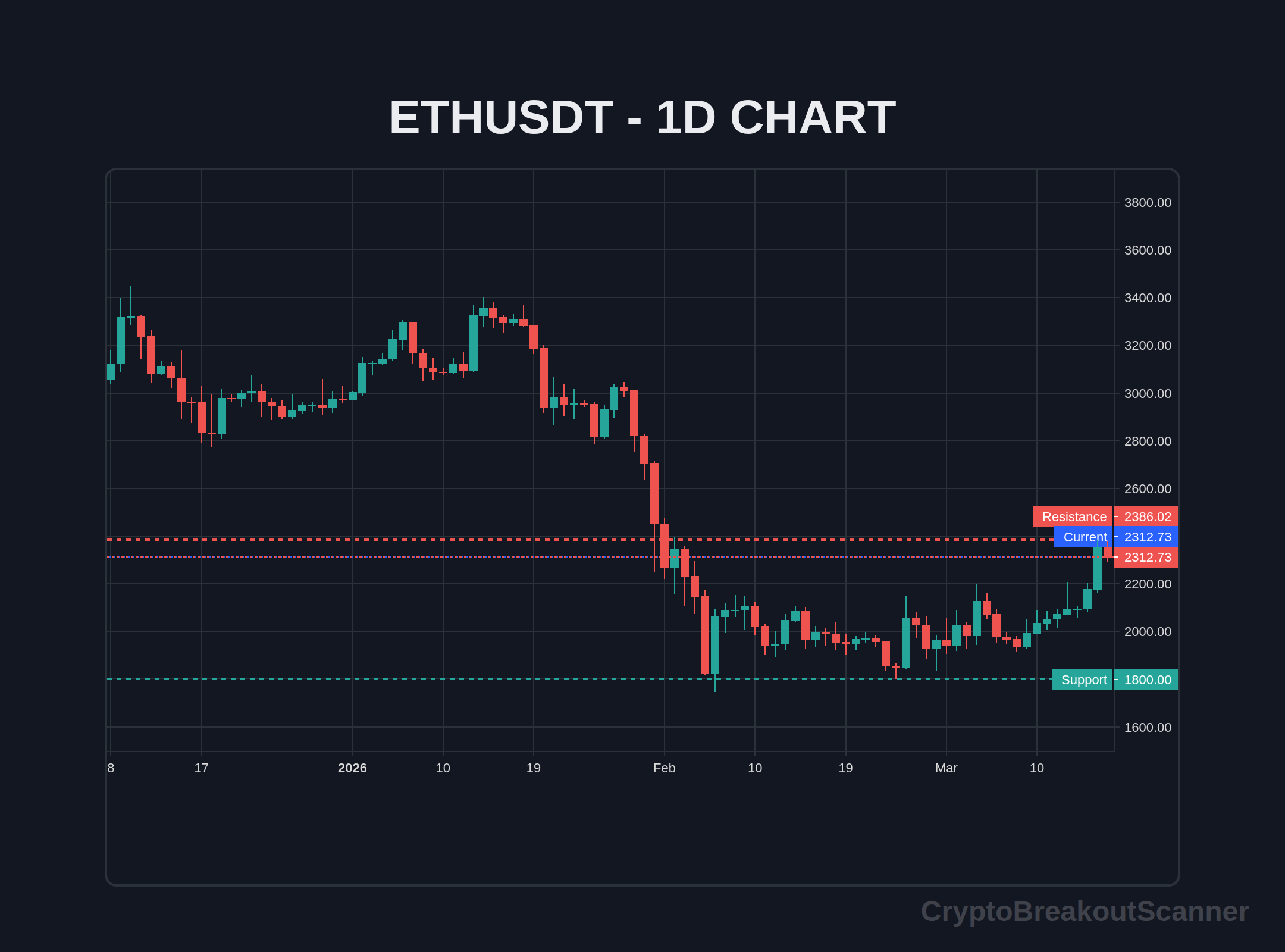
Breakouts are a critical aspect of trading, especially in the volatile world of cryptocurrency. For traders, understanding the nuances of a breakout can mean the difference between profit and loss. In this article, we’ll dive deep into an Ethereum breakout case study, analyzing the consolidation phase leading up to the breakout and the trading strategies that can maximize your gains.
Breakout Definition Section
In trading, a breakout occurs when the price of an asset moves beyond a defined support or resistance level, usually accompanied by increased volume. This can signal the start of a new trend, either upward or downward. For Ethereum (ETH), breakouts are particularly significant due to its high liquidity and active trading community. A breakout can indicate a strong buying or selling interest and often leads to rapid price movements.
Why Focus on Breakouts?
- High Profit Potential: Breakouts can provide excellent risk-to-reward ratios.
- Momentum Trading: Traders can ride the momentum for quick gains.
- Market Sentiment: Breakouts often reflect shifts in market sentiment, making them valuable indicators.
Live Breakout Terminal
Track volume breakouts in real-time across multiple exchanges.
Real Trading Example
Let’s look at a real-world example of an ETH breakout that occurred recently. On February 12, 2026, Ethereum was trading within a consolidation range between $1,600 and $1,650, showing signs of indecision in the market. The 4-hour chart depicted a classic setup: price was bouncing off the support level while testing resistance consistently.
Key Price Levels:
- Support Level: $1,600
- Resistance Level: $1,650
On February 13, 2026, Ethereum broke above the resistance level at $1,650 with a surge in volume, closing the candle at $1,670. This breakout signaled a potential upward trend.
What Happened Next?
After the breakout, ETH experienced a quick rally, reaching a peak of $1,800 within three days before facing a pullback. This showcased the power of breakout trading when executed correctly, allowing traders who acted on the breakout signal to capitalize on the price movement.
Confirmation Indicators Section
Before jumping into a trade following a breakout, it's crucial to confirm the signal with reliable indicators. Here are the primary indicators to consider:
1. Relative Strength Index (RSI)
- Ideal Level: Look for RSI above 50 to confirm bullish momentum.
- Current Example: After the ETH breakout on February 13, the RSI surged to 65, indicating strong buying pressure.
2. Volume
- Volume Confirmation: A breakout should ideally be accompanied by volume at least 1.5 times the average volume.
- ETH Example: On the breakout day, the volume exceeded the average by 2x, signaling strong market interest.
3. Price Structure
- Higher Highs: After the breakout, traders should watch for higher highs and higher lows to confirm the new trend.
- Post-Breakout Action: ETH consistently made higher highs after the breakout, indicating a sustained upward movement.
Fake Breakout Detection Section
Not every breakout leads to a sustained trend; many turn out to be false breakouts or
Keywords: Breakout Strategy, Trading Strategy, Technical Analysis, Education
September 2026 Update: What's Changed
I’ve been watching the market closely lately, and let me tell ya, it’s been wild. Ethereum’s been making some noise, but have you noticed how Bitcoin’s been dancing around $75,000? Today, it’s sitting at $75,992, down 1.17% over the past day. It hit a high of $77,343 before pulling back. Classic market moves, right?
Look — if you’ve been using a crypto breakout scanner, you probably caught some of these movements ahead of time. The last few weeks showed some solid consolidation patterns in Ethereum, which is super important. You’ll remember from our breakout case study that these patterns can signal when it’s time to enter a position. The key now is to watch for those breakout alerts. The market loves to keep us on our toes!
Here's the thing — with Bitcoin bouncing around, it's affecting altcoins like Ethereum. If you’re thinking about trading ETH, take a sec to gauge how BTC moves first. When BTC shakes, ETH usually follows suit. Real talk: if you catch the bottom of a dip in ETH while BTC is hitting its consolidation phase, you could be setting yourself up for a nice gain.
Honestly, the market can feel pretty unpredictable, but that’s where the real opportunity lies. Look for the next breakout. It might just be around the corner, especially if you see Ethereum building up pressure again. You don’t wanna miss it. Remember what we discussed about those breakout points — they’re your signposts in this volatile landscape.
So, how are you positioning yourself? Have your strategies adapted to these recent shifts? Trade smart and stay alert, ‘cause you never know when that breakout might happen.
Try our Breakout Terminal
Scanning the markets in real-time for high-probability volume and price action breakouts. Access the scanner for free.
Sarah Chen
Sarah Chen is a crypto analyst and trader specializing in breakout strategies and real-time market signals. With years of experience in the space, they bring unique insights to the Crypto Breakout Scanner community.