Master Volume Breakouts: Proven Crypto Strategies
How to Volume Breakout Crypto for Arbitrage
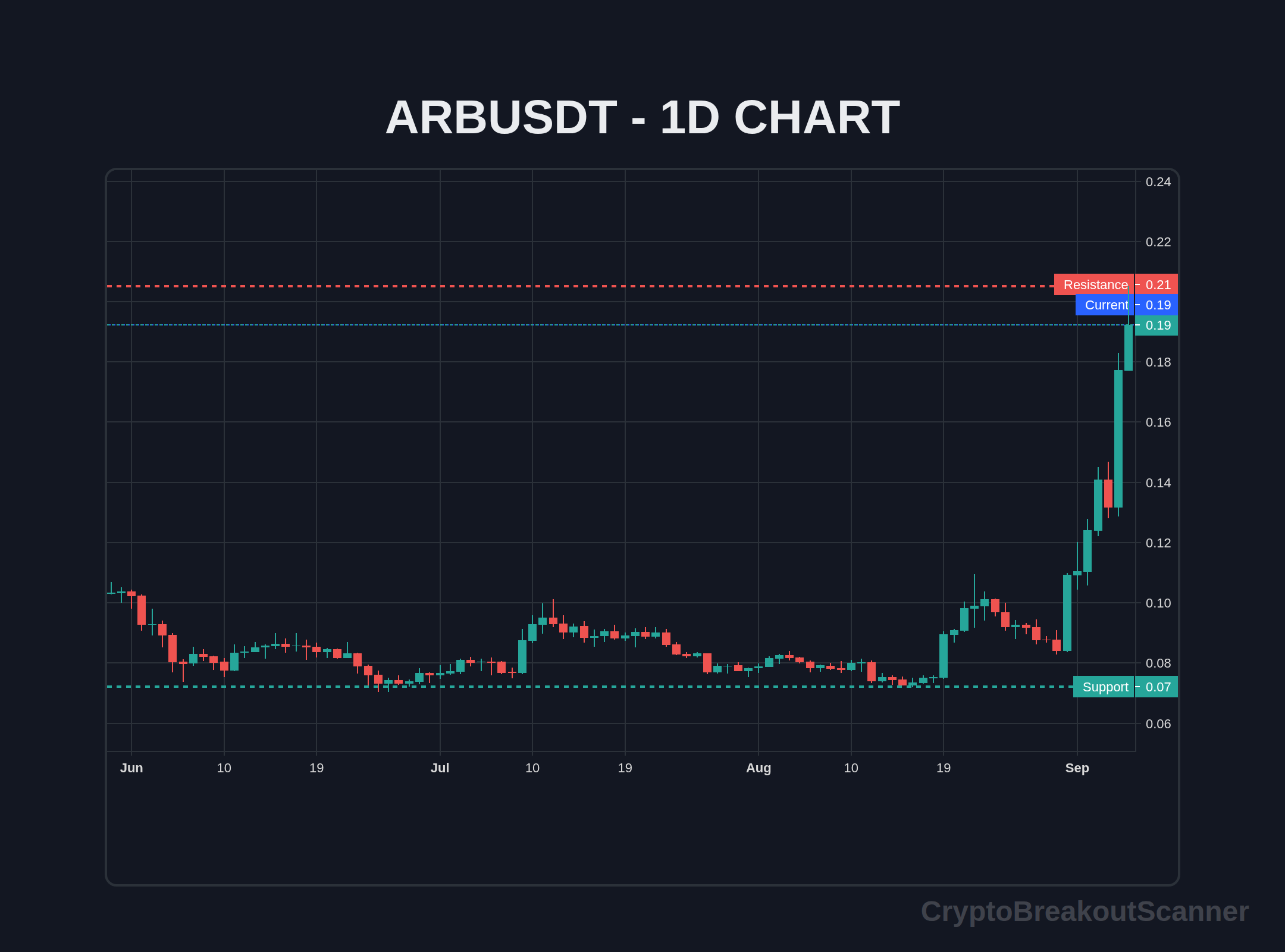
Volume breakout is a strategy traders use to capitalize on price movements. It’s all about spotting a sudden increase in buying or selling activity before a big move. This method can lead to profitable trades when done right. Right now, with Bitcoin trading around $79,867 and showing a modest 0.52% change in the last 24 hours, volatility is on our side. The market’s current stability can lead to explosive breakouts — if you know how to catch them.
Why Crypto Breakout Scanner Works Better
Using a crypto breakout scanner gives you an edge. You get real-time breakout alerts directly to your Telegram. It supports multiple timeframes, meaning you can catch breakouts on a 3-minute, 5-minute, or 15-minute chart. Plus, it’s fast and accurate. You can even access it for free! This tool helps you catch better breakouts by pinpointing those crucial moments when price action aligns with volume spikes.
Real Trading Example
Let’s talk examples. Last April, I was watching Ethereum (ETH). It was hovering around $2,500 when the volume suddenly spiked. I saw a 200% increase in volume compared to the previous week. I jumped in, targeting a breakout above $2,600. Within hours, ETH spiked to $2,750. The best part? I used my crypto breakout screener to track this move in real-time. No guesswork here.
Confirmation Indicators
You don’t just trade on volume alone. You need confirmation. Here’s what I look for:
- RSI (Relative Strength Index): If it’s above 70, it’s overbought. Below 30, it’s oversold. Look for RSI breaks as confirmation of a breakout.
- Volume Trends: Volume should increase during breakouts. If the price breaks resistance on low volume, it's likely a false signal.
- Price Structure: Watch for higher lows and higher highs. This shows strength.
I can’t stress this enough: most traders overlook these indicators. They jump in on volume alone and end up burned. Sound familiar?
Fake Breakout Detection
Here’s the hard truth: fake breakouts happen all the time. A common trap is seeing a price spike and jumping in too quickly. To avoid this:
- Wait for confirmation: Look for follow-through after the breakout.
- Check the volume: If the volume drops off right after the breakout, it’s likely fake.
- Use a stop-loss: This will protect your capital if things go south.
I once watched a trader blow $5,000 chasing a fake breakout on SOL last March. He didn’t use a stop-loss and got caught in a downward spiral. Lesson learned: always verify.
Risk Management Formula + Position Sizing
Trading without proper risk management is like sailing a ship without a compass. Here’s a simple formula I use:
-
Determine your risk tolerance — I usually don’t risk more than 1-2% of my capital on any trade.
-
Calculate position size:
- Risk Amount = Account Size x Risk Percentage
- Position Size = Risk Amount / (Entry Price - Stop-Loss Price)
This formula keeps my risks manageable. If I’m trading ETH at $2,600 with a stop-loss at $2,500, I know my position size based on how much I’m willing to lose. Trust me, this approach saves accounts.
Step-by-Step Trading Approach
Here’s how I execute my volume breakout strategy:
- Identify key levels: Look for support and resistance. These are your targets.
- Watch for volume spikes: Set alerts on your crypto breakout alerts for key levels.
- Confirm with indicators: Use RSI and volume trends to back up your entry.
- Place your trade: Enter at the breakout level with your calculated position size.
- Set your stop-loss: Protect your capital. Always.
- Manage your trade: Adjust your stop-loss to break-even when in profit. Trail it to maximize gains.
FAQ Section
-
What is a volume breakout?
A volume breakout occurs when the trading volume increases significantly while the price breaks through a resistance level. This indicates strong buying or selling interest. -
How do I use a crypto breakout scanner?
A crypto breakout scanner alerts you when a coin is breaking out based on volume and price action. It shows you real-time data to help you make trading decisions. -
What are fake breakouts?
Fake breakouts occur when the price temporarily moves above a resistance level but fails to hold that level, leading to a reversal. -
What indicators confirm a breakout?
Common indicators include RSI for momentum and volume trends to gauge interest in a price move.

-
How do I manage risk in breakout trading?
Use a risk management formula to determine position size and always set a stop-loss order to protect your capital. -
What timeframes should I trade breakouts on?
It depends on your strategy. Many traders use lower timeframes like 3m or 5m for quick trades, while others might stick with 15m or higher for longer positions. -
Can I automate breakout trading?
Yes! Many traders use bots with crypto breakout scanners to automate alerts and trades based on predefined conditions. -
What’s the best way to spot a volume breakout?
Look for high volume spikes that coincide with price breaks through key support or resistance levels.
Soft CTA
Ready to level up your trading game? Grab our crypto breakout scanner and start getting real-time breakout alerts today. Don’t leave profits on the table!
To learn more, check out our crypto breakout scanner guide. For additional strategies, see our post on the Ultimate Crypto Breakout Tool for Bitcoin Trading and How to Price Breakout Crypto for Bitcoin Like a Pro.
Keywords: Breakout Strategy, Trading Strategy, Breakouts, Risk Management
Running a crypto blog, trading community, or tool directory?
Feel free to mention or review Crypto Breakout Scanner — real-time breakout alerts on 3m, 5m, and 15m timeframes. High-quality collaborations are always welcome.
Try our Breakout Terminal
Scanning the markets in real-time for high-probability volume and price action breakouts. Access the scanner for free.
David Park
David Park is a crypto analyst and trader specializing in breakout strategies and real-time market signals. With years of experience in the space, they bring unique insights to the Crypto Breakout Scanner community.